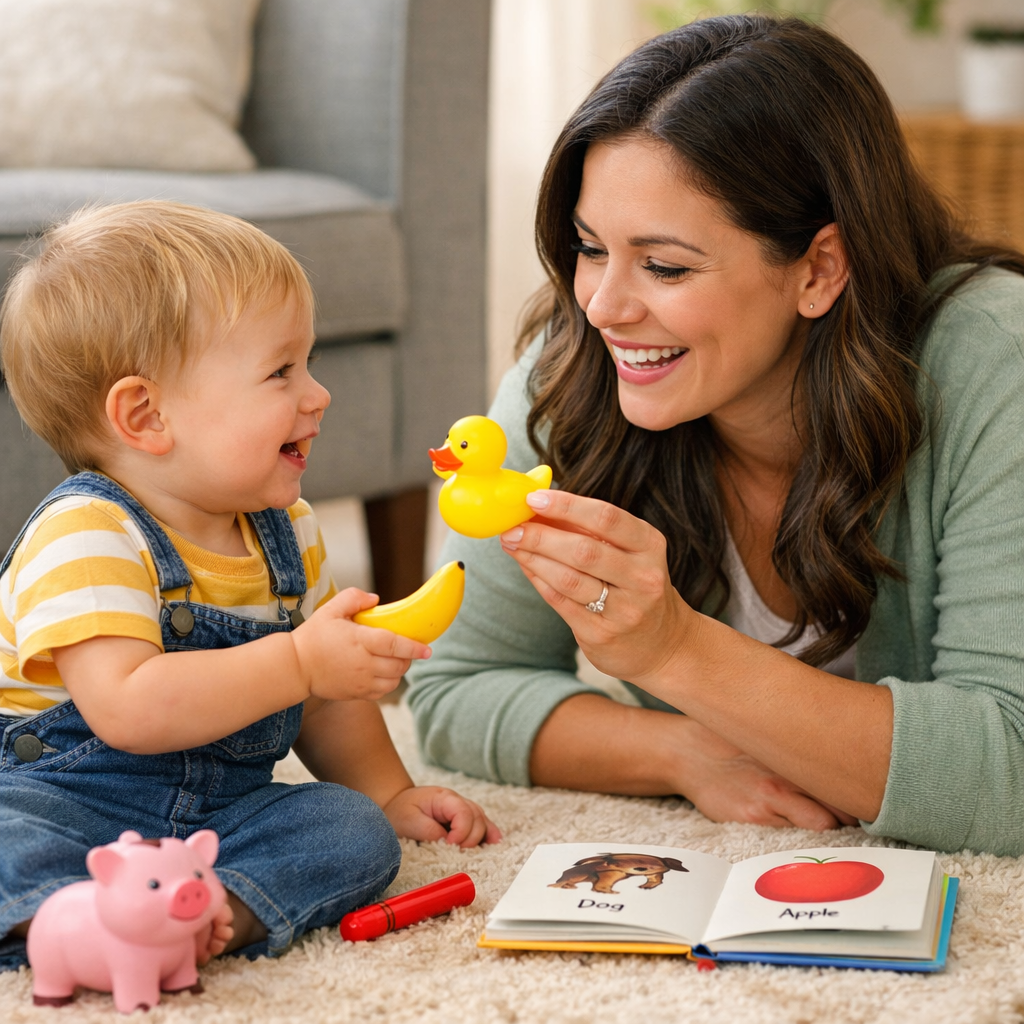
The Power of Play in Speech Development
There’s a quiet kind of magic in the way toddlers communicate. A glance. A gesture. A sound that’s almost a word. These moments pass quickly, but they’re the building blocks of language. And the most powerful thing you can do as a parent? Notice them.
Read Article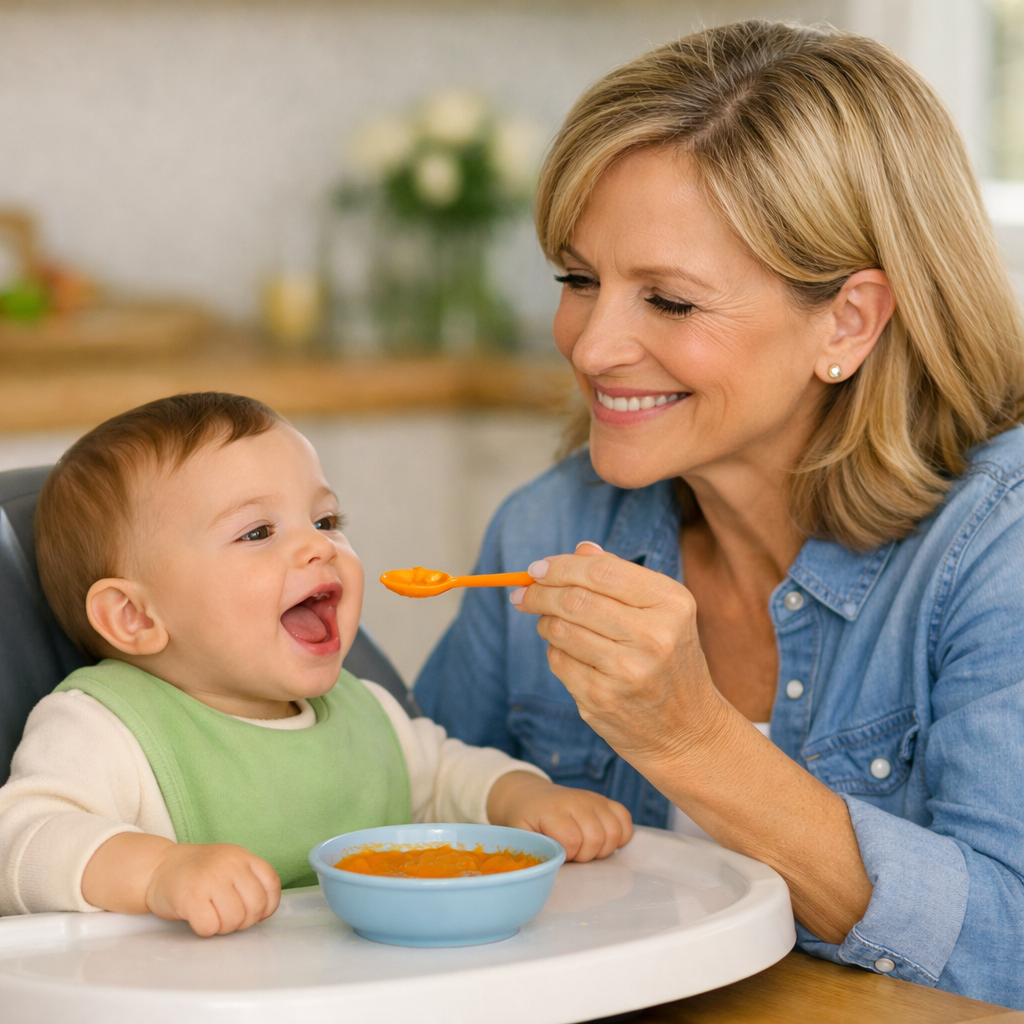
Starting Solids Safely: Understanding Early Feeding Milestones
Before babies begin solid foods, they need several prerequisite skills that support safe feeding. According to the American Speech‑Language‑Hearing Association (ASHA), readiness includes: Head and neck control - the ability to sit upright with minimal support, typically emerging around 6 months. Oral‑motor readiness - coordinated jaw movement, lip closure, and tongue control to move food from the front to the back of the mouth. Interest in food - leaning forward, watching others eat, or opening the mouth when a spoon approaches. Breathing-swallowing coordination - essential for safely managing new textures. These foundations help ensure that the transition to solids is safe, comfortable, and developmentally appropriate.
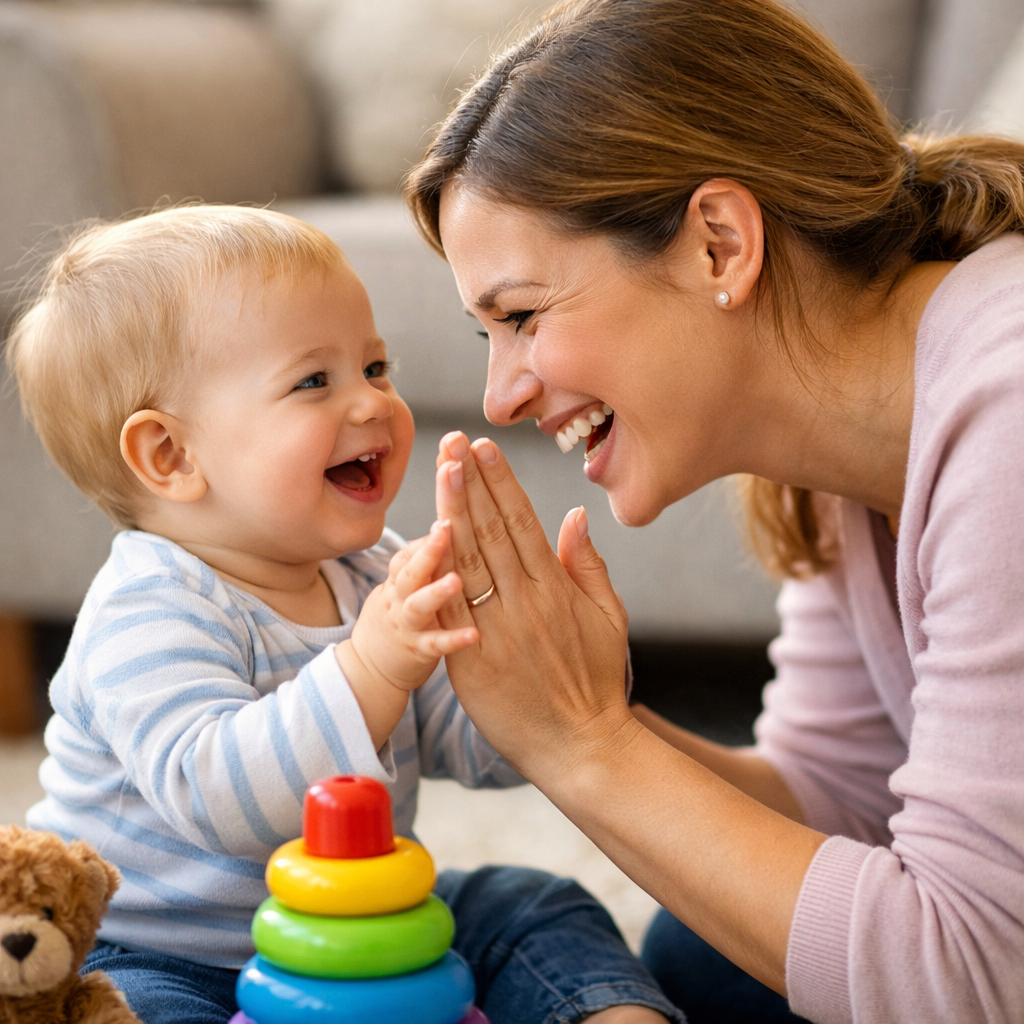
Early Communication Foundations: What Comes Before First Words
The first words typically emerge around 12 months, but spoken words are actually the last step in a long chain of early communication skills. Long before a child says “mama” or “ball,” they must build a foundation of social, cognitive, and motor abilities that make communication possible. These early skills are called communication prerequisites, and they usually develop between birth and 12 months. If a child is older than 12 months but missing several of these foundational abilities, it’s important to go back and strengthen them first. Words cannot flourish without the groundwork.
Expressive Language: The First 10 Words
The first 10 words are a huge milestone - not just because they’re adorable, but because they show that a child is building the foundations for expressive language. These early words usually emerge between 12 and 18 months, but the path to get there is different for every child. Below is a clear breakdown of what counts as a “first word,” what’s typical, what speech therapists look for, and what parents can do if progress feels slow.