98%
Parent Involvement
15+
Years of Experience
98%
Parent Involvement
15+
Years of Experience
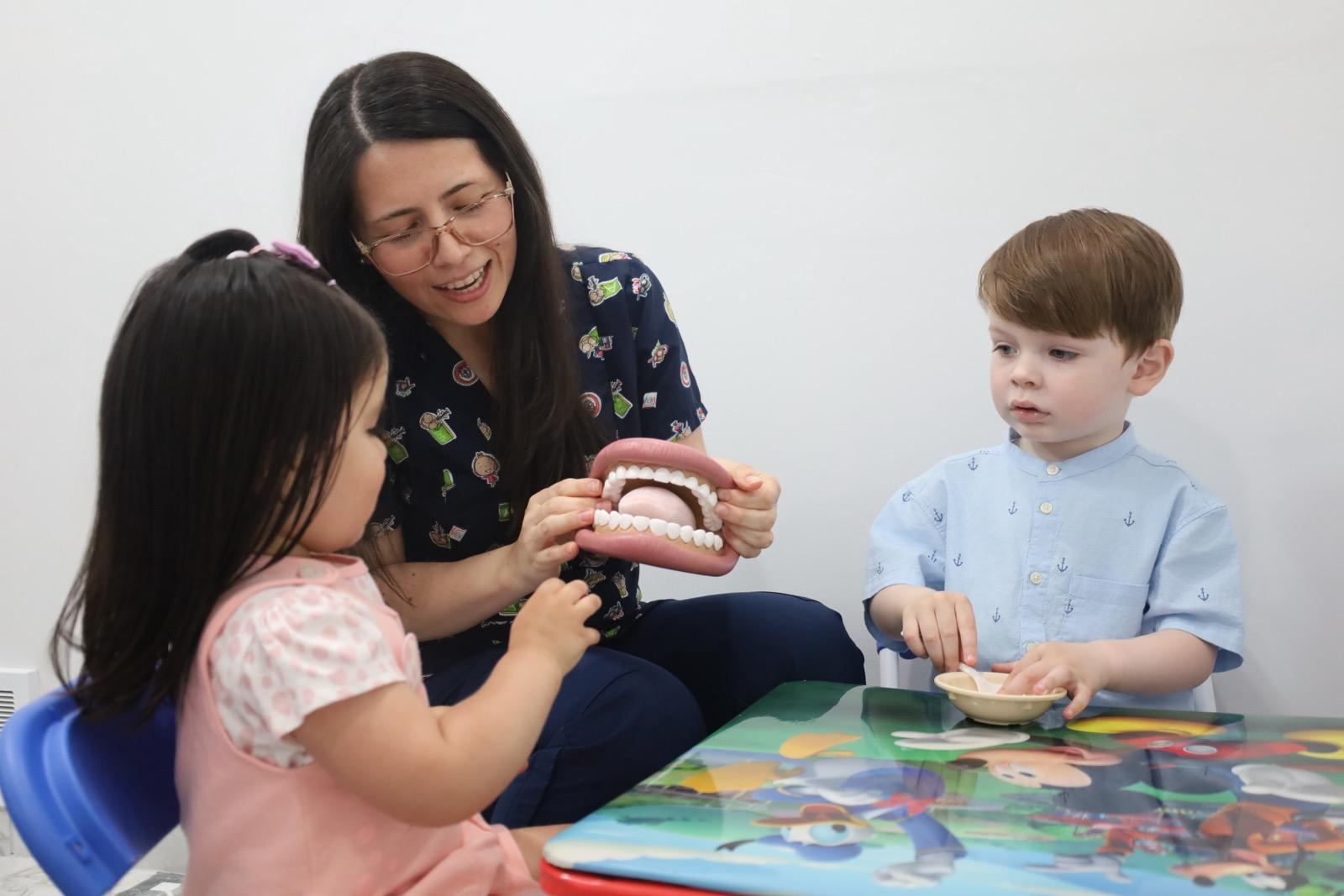
Every child develops on their own timeline, yet certain patterns can indicate that a clinical evaluation or early therapeutic support may be beneficial. Recognizing these signs early helps us understand how your child is coordinating oral‑motor movements, processing language, and developing feeding patterns, and whether targeted support could strengthen their foundational skills during this critical stage of development.
Children may have difficulty using age‑expected words, phrases, and sentences, expressing wants and needs, asking questions, or sharing ideas and feelings. They may also show delays in grammar, such as using past tense, plurals, or pronouns. These challenges indicate that the broader expressive language system is developing more slowly, affecting how a child communicates across different contexts and routines.
A language delay reflects challenges in understanding, processing, or formulating language. Children may struggle to follow directions, build vocabulary, combine words, or express ideas because the underlying cognitive‑linguistic systems that support comprehension and expression are developing more slowly.
Articulation and phonological delays involve oral‑motor, phonological, or motor‑planning challenges that affect how speech sounds are produced. Children may substitute, distort, or omit sounds, and these errors often reduce intelligibility, leading to frustration when others cannot understand what they are trying to say.
Feeding delays may include difficulty transitioning to solids, limited acceptance of textures, challenges with chewing, or prolonged mealtimes. These signs can indicate oral‑motor coordination needs, sensory responses, or developmental delays in feeding readiness.
Not sure if your child needs help? Let’s talk through your concerns.
Contact us arrow_right_alt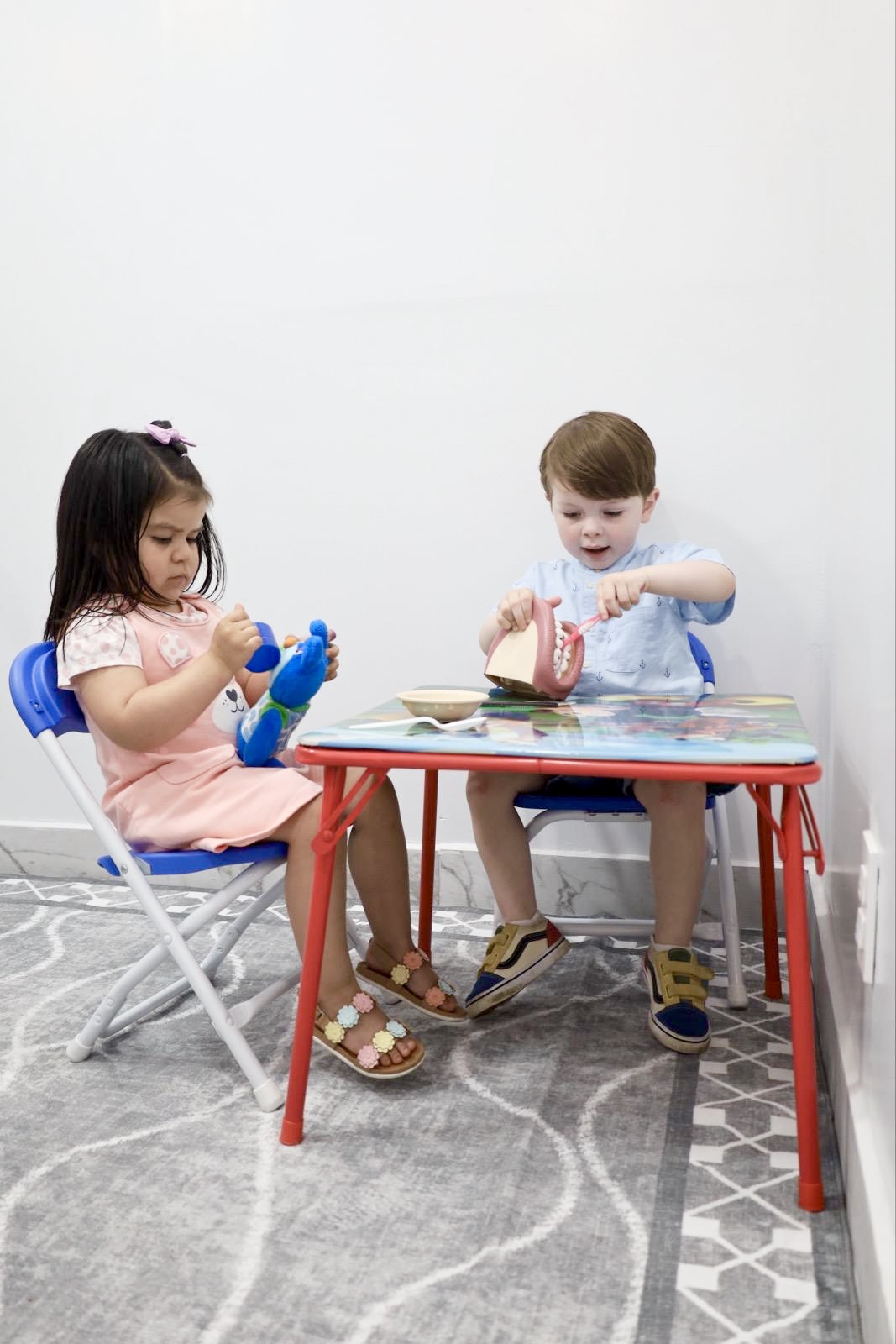
Bilingual Services
English/Spanish
15+
Years Experience
8338+
Evaluations
92%
Parent Involvement
M.S., SLP
NY Licensed
From your initial consultation through the full evaluation, ongoing therapy, and parent coaching, we offer a clearly structured process to understand and strengthen your child’s communication and feeding skills.
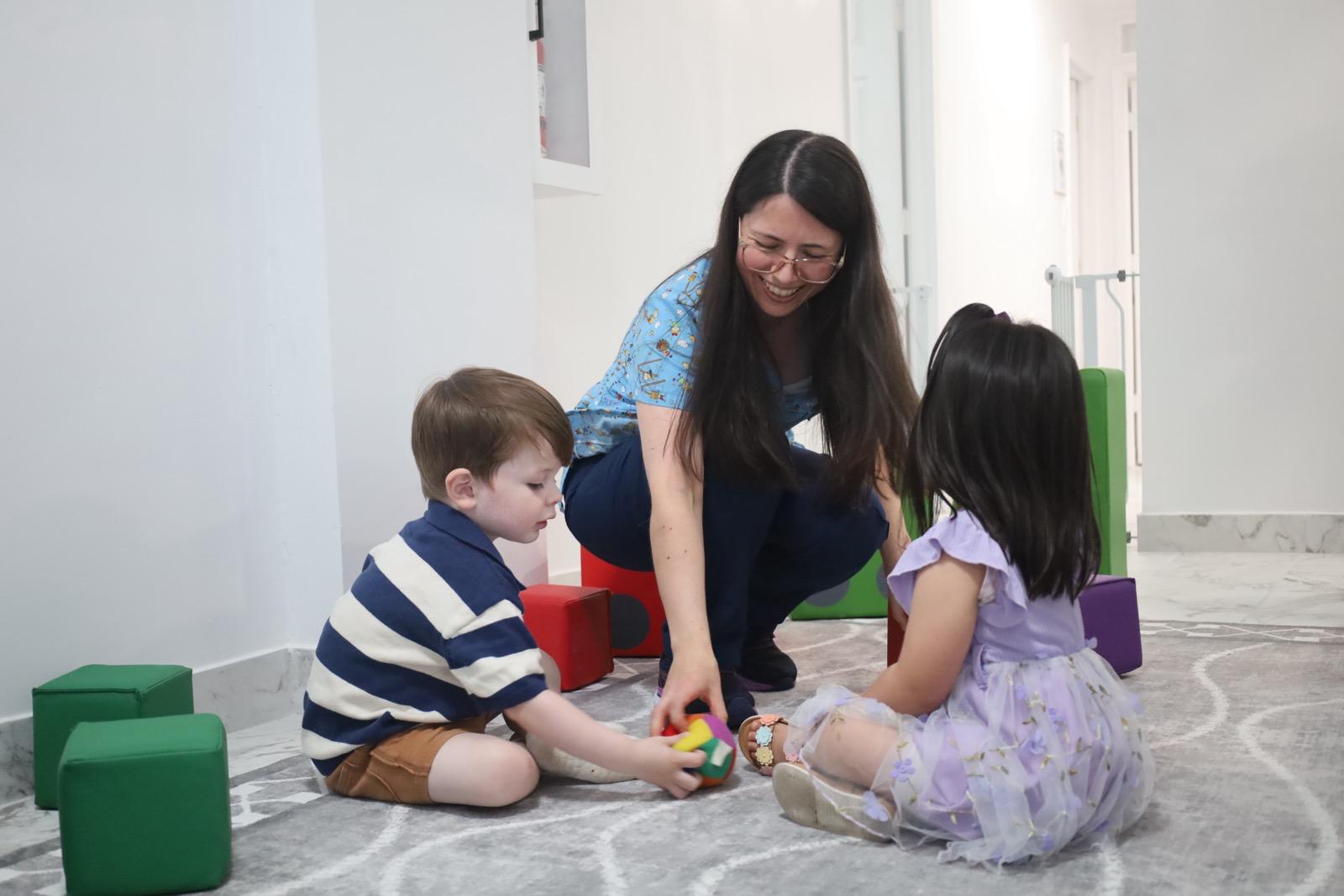
We’re preparing something special to support families even more effectively. Stay tuned for updates — this new service will launch soon!
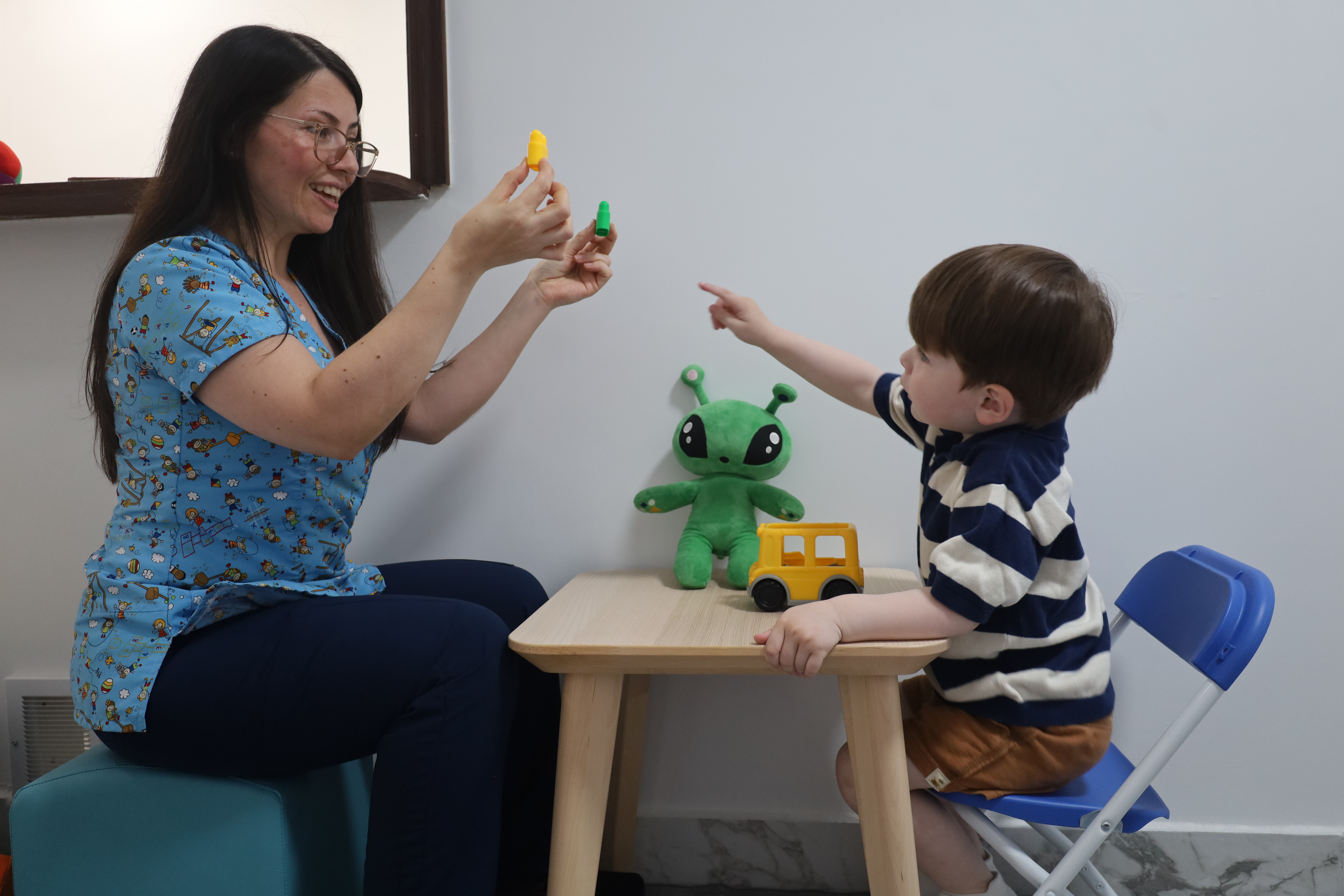
A brief conversation, either in person or through video call, for families who are unsure whether their child needs an evaluation. We discuss your concerns, developmental history, and observations from home. This is not a formal assessment; it’s a guided conversation to help you determine the most appropriate next step.
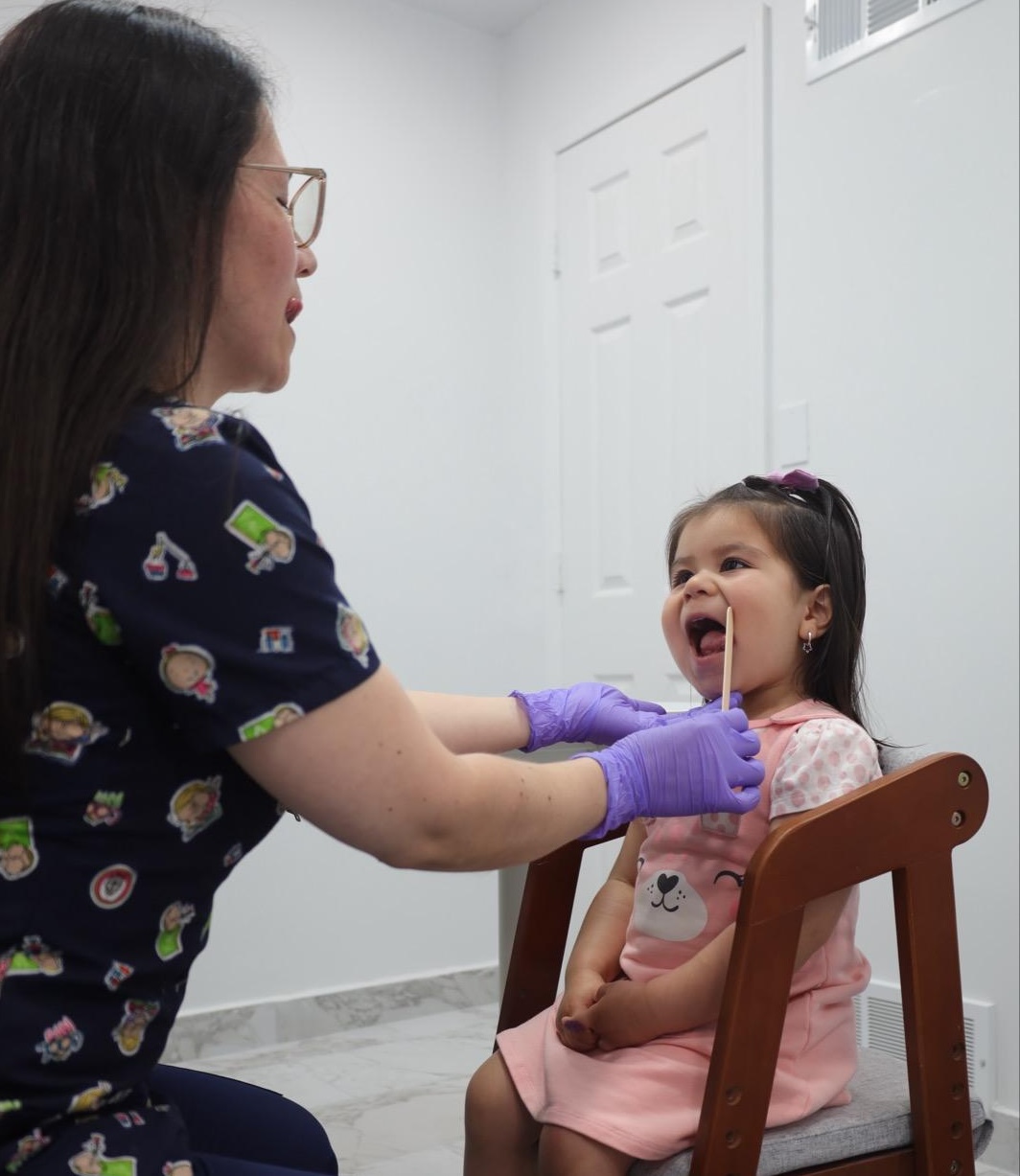
This is an in‑person evaluation to assess your child’s receptive language skills (language comprehension), expressive language skills (speech), and/or feeding development (feeding skills). Each evaluation includes a parent interview, standardized testing, play‑based observation, and a diagnostic report with recommendations.
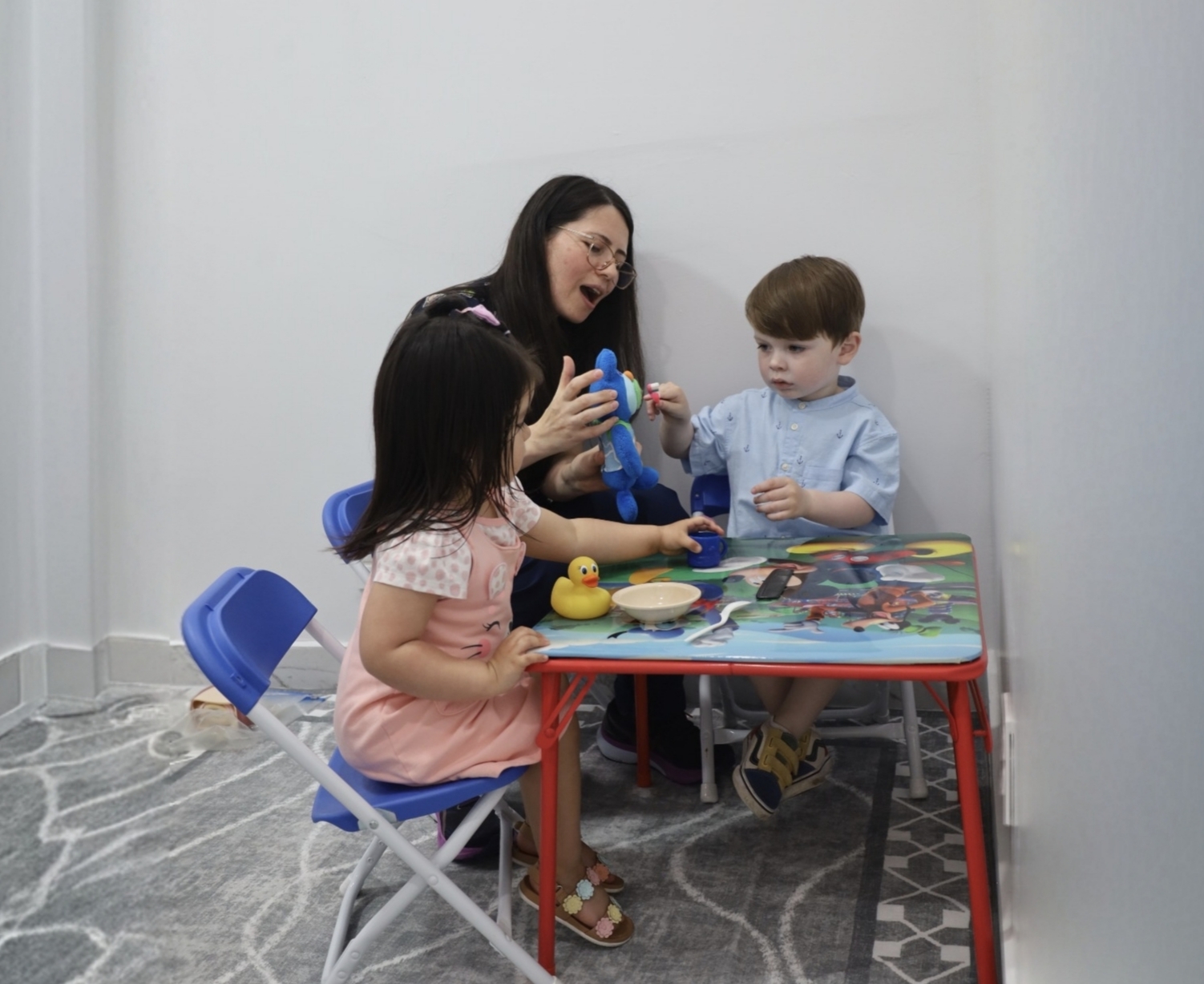
Therapy sessions provide targeted support for your child’s expressive language skills (speech), receptive language skills (language comprehension), and feeding skills. Each treatment plan is tailored to your child’s developmental profile and thoughtfully integrated into your family’s daily routines.
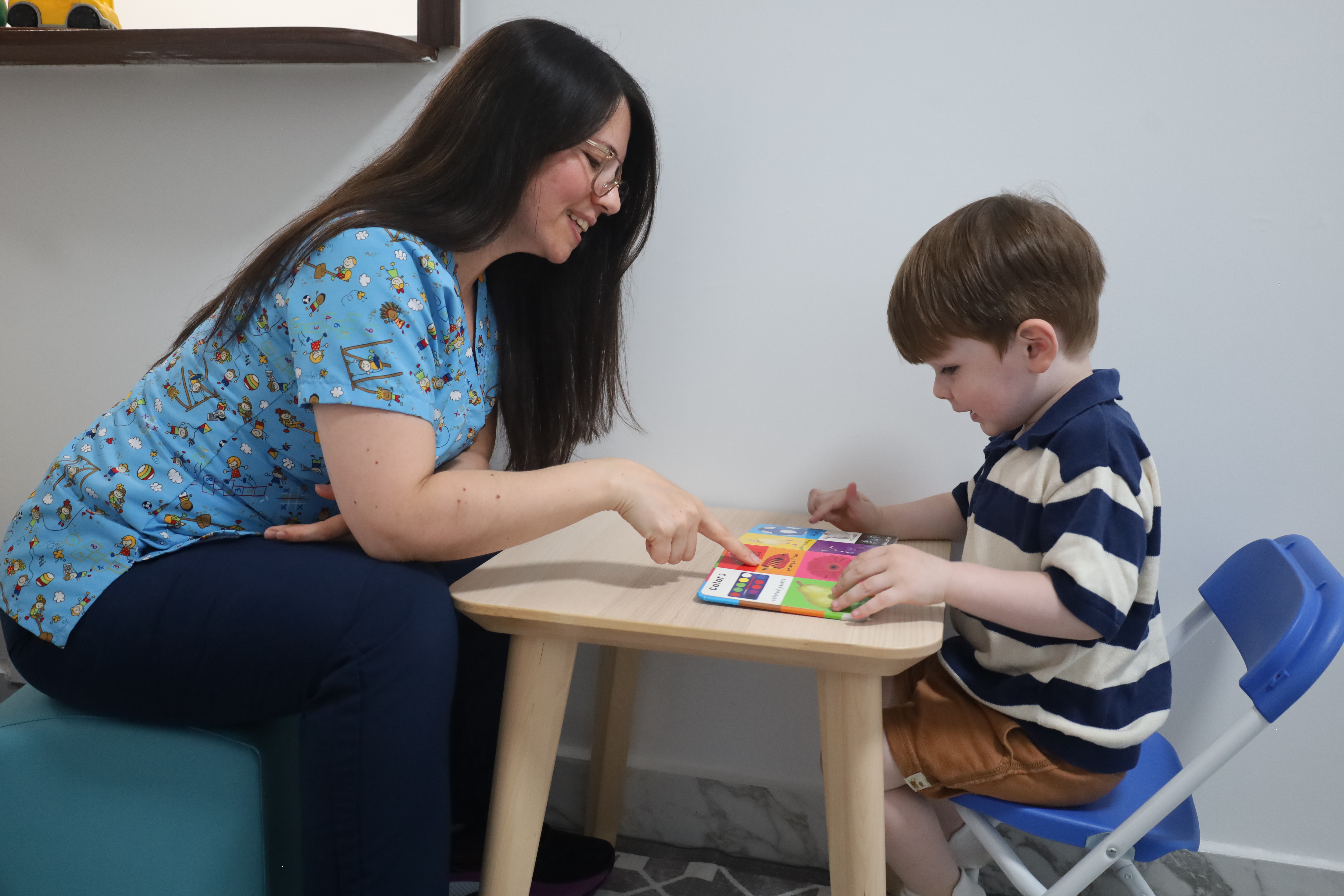
Parent Coaching is a structured, short‑term program that empowers families to support communication and feeding development at home. It provides practical, easy‑to‑use strategies for everyday routines and helps caregivers feel confident and connected to their child’s progress. Parent Coaching is also appropriate for children who do not require therapy but would benefit from support that promotes healthy development and helps prevent early delays. Families receive clear guidance, individualized strategies, and a deeper understanding of how to foster communication and feeding skills during daily activities. It is ideal for those waiting for services, seeking additional guidance, or wanting consistent, development‑focused routines.
From your initial consultation call to the full evaluation, ongoing therapy, and parent coaching, we offer a clearly structured process to understand and strengthen your child's communication and feeding skills.
A brief conversation, either in person or through video call, to discuss your concerns and determine whether an evaluation is needed. This is not a formal assessment; it’s a guided first step for families who aren’t sure which services they may need.
A complete diagnostic assessment of your child's speech, language, articulation, oral-motor skills, or feeding development. Includes standardized testing, observation, a parent interview, and a clear report with recommendations.
Personalized speech, language, or feeding therapy, tailored to your child's developmental needs and focused on improving communication, articulation, oral-motor coordination, and feeding skills.
A systematic, guided program that helps families learn strategies to support speech, language, and feeding during daily activities at home.
Ready to take the next step?
Let's get in touch
Structured resources that help families promote healthy communication and feeding development, whether or not their child is currently in therapy.
home-kits
$ 78.99
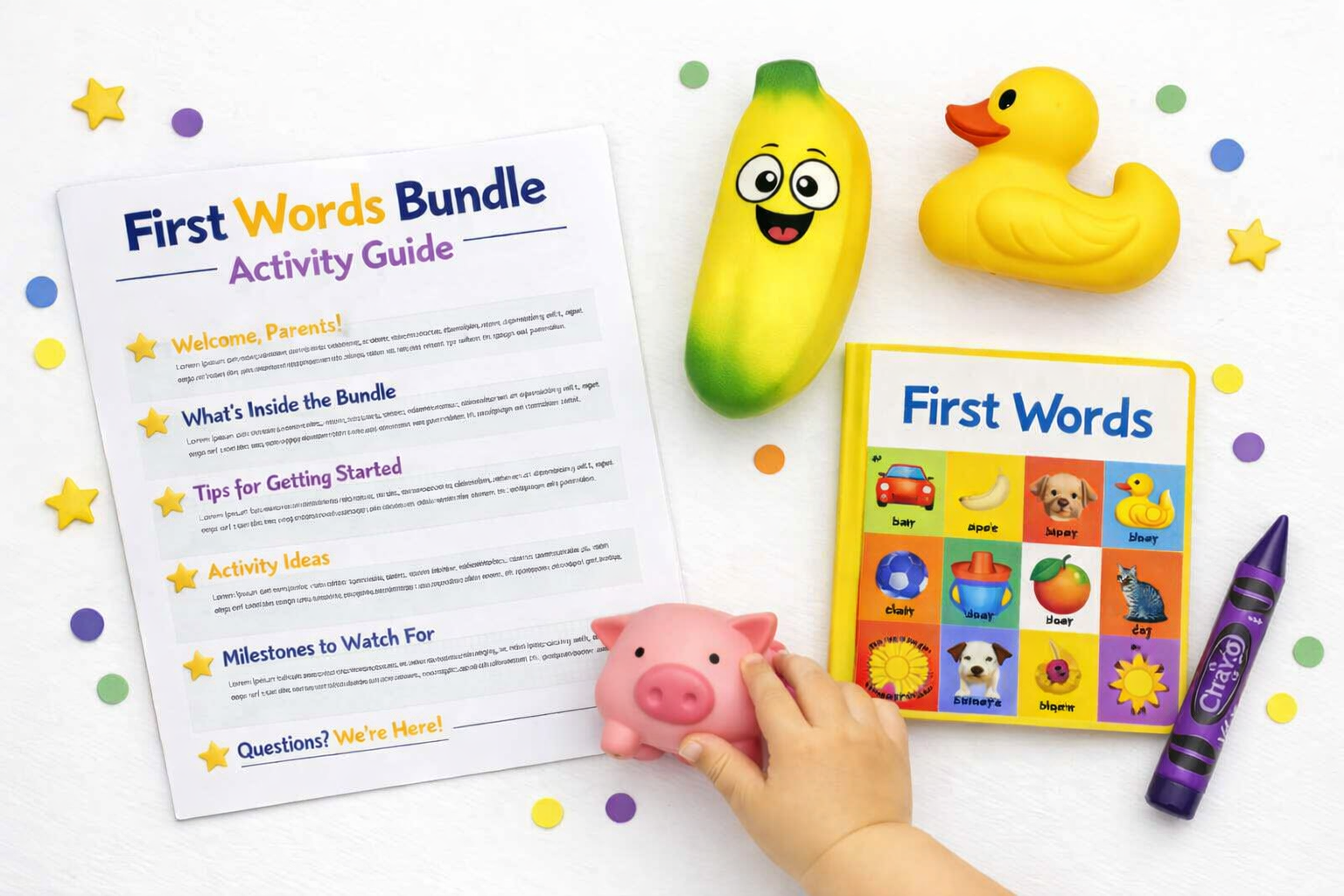
The First Words Bundle gives parents everything they need to support early speech and language development right at home, through simple, joyful play. Designed by a licensed Speech‑Language Pathologist, this bundle turns everyday moments into meaningful learning using five powerful tools: a 100‑word board book and four engaging mini objects (duck, banana, crayon, pig) chosen to spark sounds, actions, pretend play, and early word combinations. A step‑by‑step activity guide shows you exactly what to do and say, making it easy to help your child communicate, no experience required.
$ 5.00
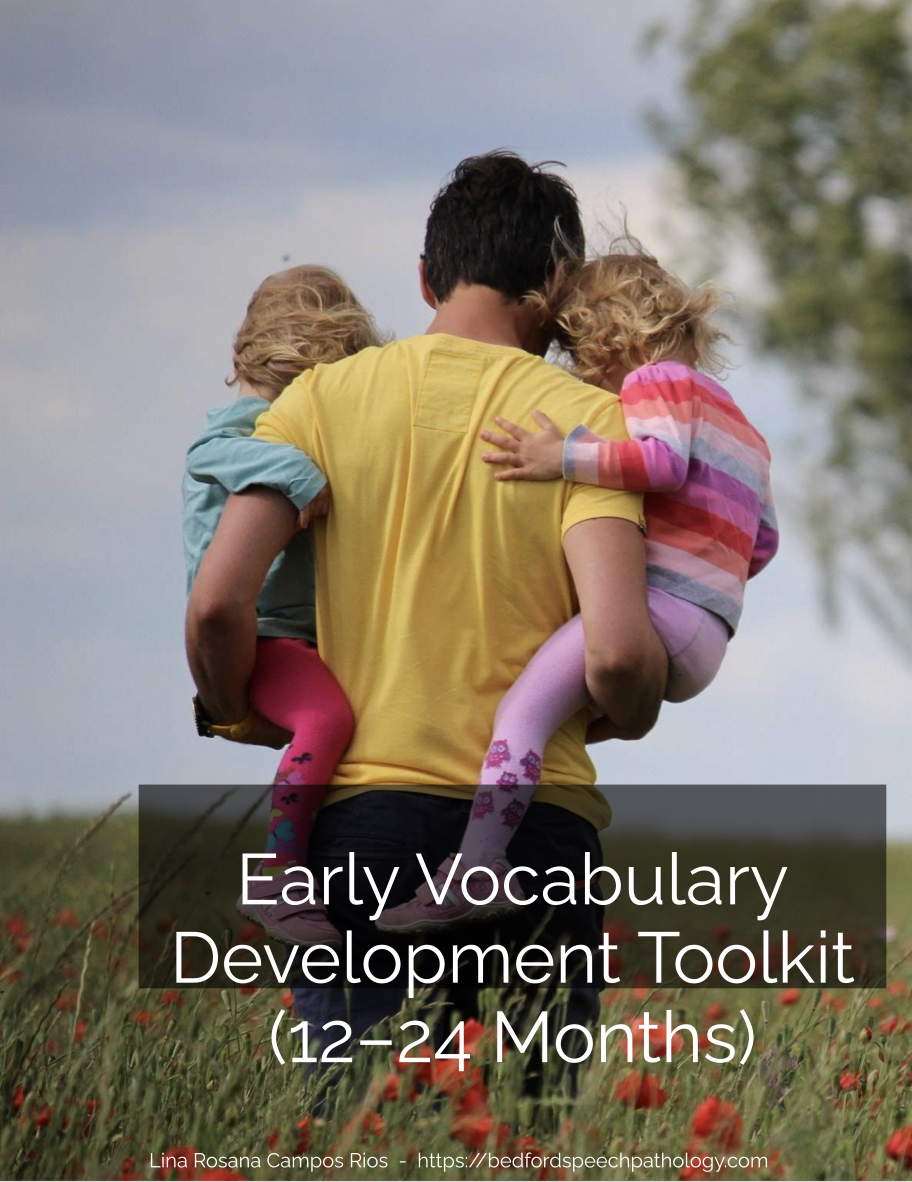
The Early Vocabulary Development Toolkit is a structured, clinically informed guide designed to help parents track and support their child’s expressive language from 12 to 24 months. It provides clear checklists, practical examples, and simple routines that make it easy to monitor new words, understand developmental expectations, and recognize when additional support may be helpful. Parents can use this toolkit monthly to check to check off words their child says, add new vocabulary as it emerges, and follow the coaching tips to encourage communication naturally throughout daily routines. By offering a straightforward way to observe progress and understand milestones, this resource helps families feel confident, informed, and actively involved in their child’s early communication development.
Free Monthly Tips
Subscribe to get speech tips delivered to your inbox!
Feedback from families who have trusted us to provide clear, evidence‑based support for their child’s development.
Dylan's mother
My son had an excellent evaluation, and he was able to participate in every activity. The therapist’s experience is truly a 10. I felt very supported, especially in areas I didn’t fully understand before. They are an excellent, trustworthy team. ***Español: Mi hijo tuvo una excelente evaluación y pudo participar en todas las actividades. El nivel de experiencia de la terapeuta es un 10. Me sentí muy apoyada, especialmente en cosas que antes no podía captar. Son un equipo excelente y de mucha confianza.
The therapist was patient, kind, and showed my child how to complete each activity. I felt supported during the evaluation, and she was very professional. ***Español: La terapeuta fue paciente, amable y guio a mi hijo en cada actividad. Me sentí apoyada durante la evaluación y fue muy profesional.
The evaluation was excellent, and the therapist was very professional. I felt genuinely supported throughout the process, and I would describe the care as good, kind, and attentive. ***Español: La evaluación fue excelente y la terapeuta muy profesional. Me sentí realmente apoyada durante todo el proceso, y describiría la atención como buena, amable y muy atenta.
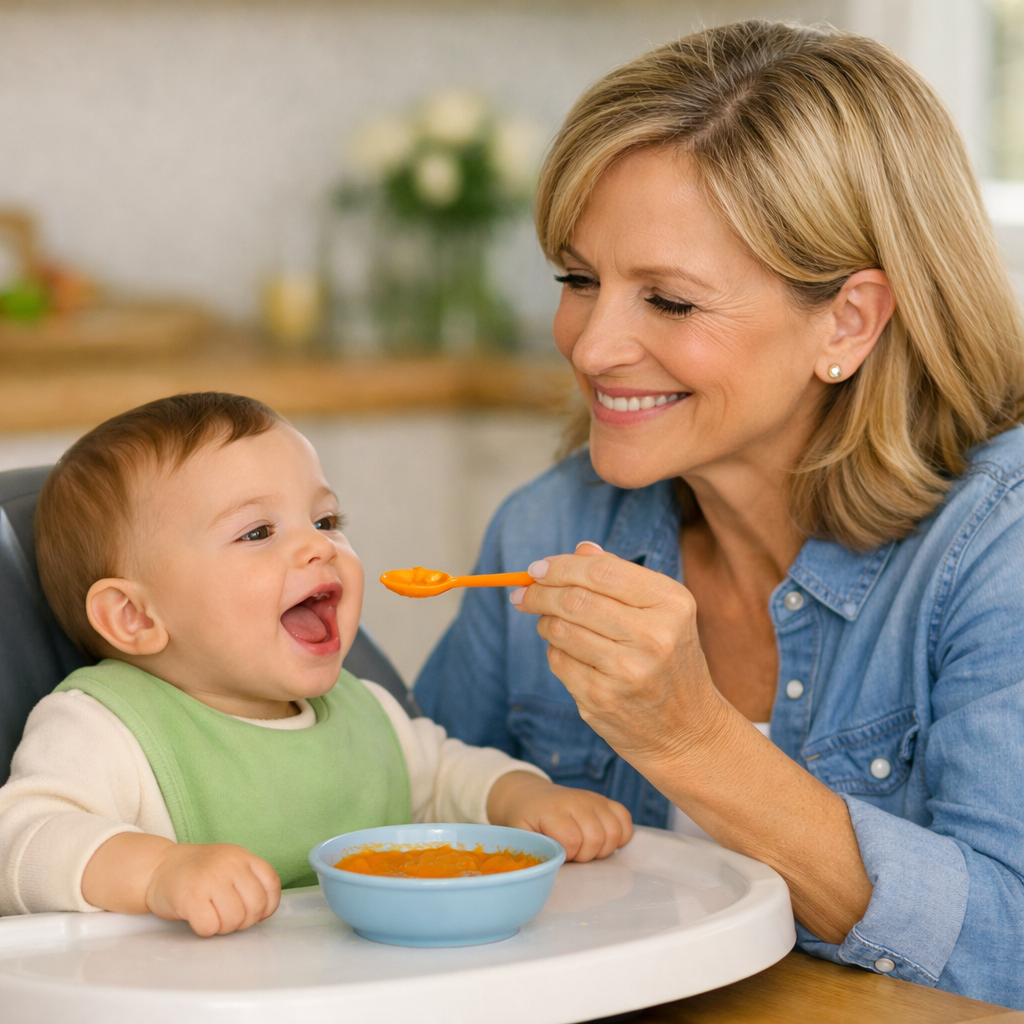
Before babies begin solid foods, they need several prerequisite skills that support safe feeding. According to the American Speech‑Language‑Hearing Association (ASHA), readiness includes: Head and neck control - the ability to sit upright with minimal support, typically emerging around 6 months. Oral‑motor readiness - coordinated jaw movement, lip closure, and tongue control to move food from the front to the back of the mouth. Interest in food - leaning forward, watching others eat, or opening the mouth when a spoon approaches. Breathing-swallowing coordination - essential for safely managing new textures. These foundations help ensure that the transition to solids is safe, comfortable, and developmentally appropriate.

The first words typically emerge around 12 months, but spoken words are actually the last step in a long chain of early communication skills. Long before a child says “mama” or “ball,” they must build a foundation of social, cognitive, and motor abilities that make communication possible. These early skills are called communication prerequisites, and they usually develop between birth and 12 months. If a child is older than 12 months but missing several of these foundational abilities, it’s important to go back and strengthen them first. Words cannot flourish without the groundwork.
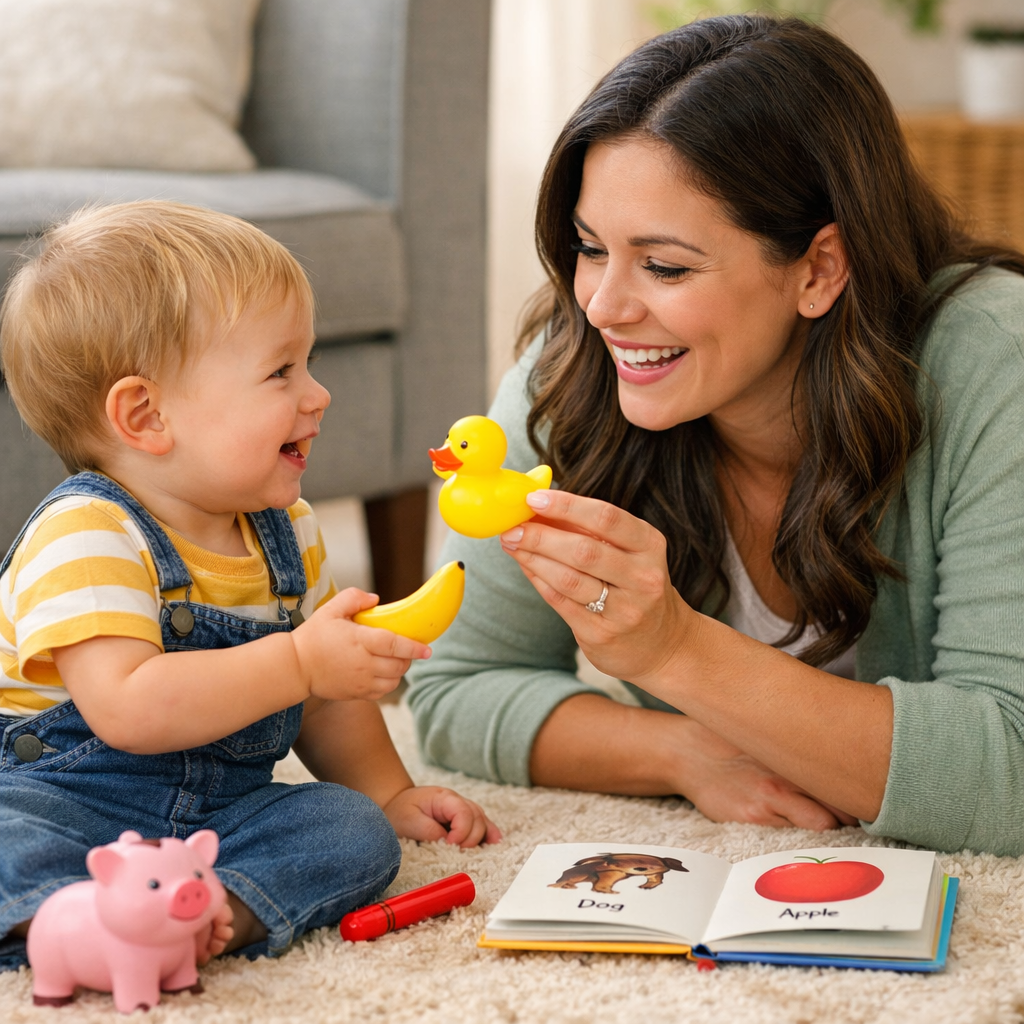
The first 10 words are a huge milestone - not just because they’re adorable, but because they show that a child is building the foundations for expressive language. These early words usually emerge between 12 and 18 months, but the path to get there is different for every child. Below is a clear breakdown of what counts as a “first word,” what’s typical, what speech therapists look for, and what parents can do if progress feels slow.
Subscribe to receive speech and language tips directly to your inbox.
Take the first step today. Schedule an Initial Consultation and learn how our team can support your child’s communication and feeding development.